







Why Technical SEO Comes First
Think of search as a three-step pipeline: crawl, render, index. Only pages that make it through all three can rank. If a bot can’t reach a page, can’t see its content after JavaScript runs, or is told not to index it, that page is invisible no matter how good the writing is.
That’s why technical SEO is usually the first thing we look at. Fixing a single template problem, like a wrong canonical on every product page, can unlock hundreds of pages at once. Content and links build on top of a working foundation; they can’t replace it.
What We Check in a Technical Audit
Our audits go beyond the automated warnings every SEO tool produces. A tool can tell you a page has a long title. It can’t tell you that your faceted navigation is creating thousands of near-duplicate URLs that dilute your category pages. We look at:
Crawlability
- Robots.txt rules and meta robots tags
- XML sitemaps: what’s included, what’s missing, what shouldn’t be there
- Internal links, orphan pages and crawl depth
- Redirect chains, loops and broken links
- Server response codes and soft 404s
Indexing
- Canonical tags and duplicate content
- Parameter URLs, filters and pagination
- Thin or low-value pages that drag down overall quality
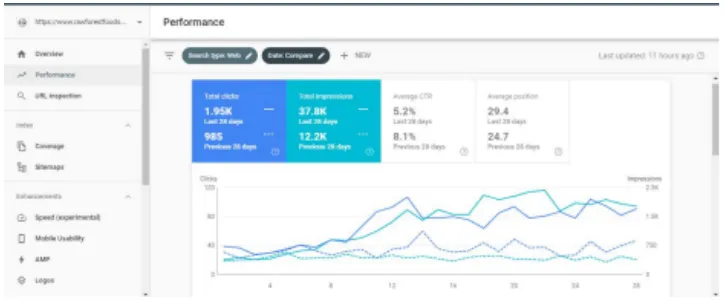
- Search Console coverage reports, line by line
Rendering and JavaScript
- Whether key content and links appear in the rendered HTML
- Client-side rendering versus server-side or static rendering
- Lazy-loaded content that search engines may miss
Performance and experience
- Core Web Vitals from real-user (field) data and lab tests
- Image formats and sizes, fonts and render-blocking scripts
- Third-party scripts like chat widgets and tag managers
- Mobile usability and HTTPS security
Structured data
- Organization, LocalBusiness, Service, Product, FAQ, Article and Breadcrumb markup
- Validation against Google’s requirements, with no misleading or self-serving markup
Site Migrations Without the Traffic Cliff
Redesigns, rebrands, domain changes and platform moves are where we see the biggest preventable traffic losses. Our migration process covers:
- Benchmark current rankings, traffic and top pages before anything changes.
- Map every old URL to its best new equivalent, with no redirect chains.
- Test redirects, canonicals, robots rules and analytics on staging.
- Launch with a checklist, then resubmit sitemaps and request indexing for key pages.
- Monitor 404s, rankings and traffic daily for the first weeks after launch.
Speed Is a Conversion Problem, Not Just an SEO One
Faster sites rank better, but more importantly they convert better. Every extra second of loading and every layout jump costs you visitors who were ready to call or buy. When we improve Core Web Vitals, we report the impact on conversions too, not just the scores. If your site needs more than tuning, our web design and development team can rebuild it on a faster foundation.
Technical SEO and AI Search
AI assistants and Google’s AI Overviews rely on content they can easily crawl and understand. Clean HTML, fast responses, clear headings and accurate schema make your pages easier to quote. Technical SEO is the groundwork for AI Search Optimization, and we often run both together.